
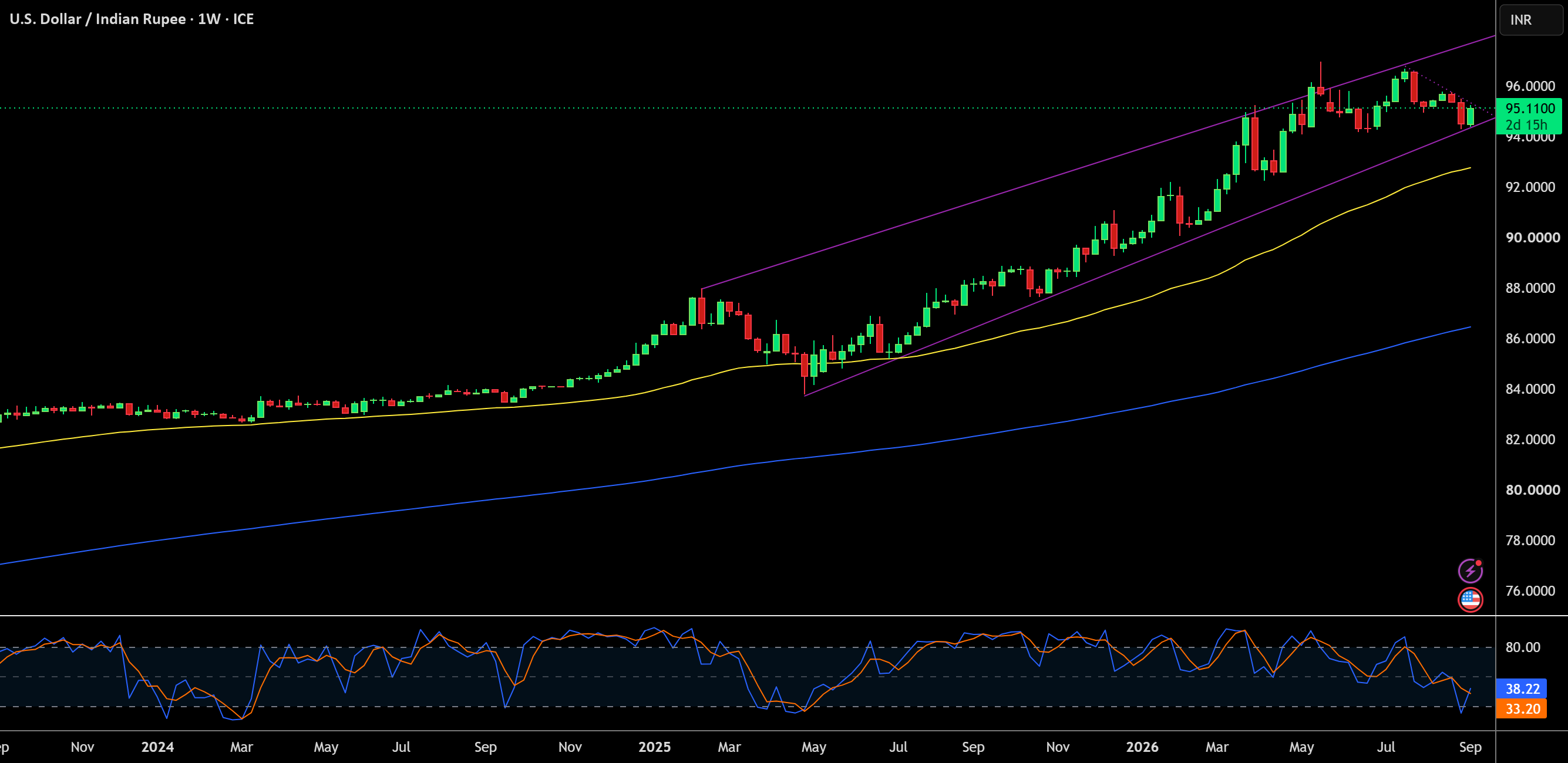
Geopolitical friction in West Asia has pushed Brent crude oil to roughly $99 per barrel. This sharp energy rally poses severe macroeconomic risks for the USD/INR currency pair. India imports nearly 90% of its crude oil requirements from international markets. Rising energy prices increase dollar demand among domestic refiners, widening the current account deficit. Consequently, the Indian rupee faces persistent structural pressure against the strong US dollar. The currency trades near 94.80 after central bank support lifted it to a two-month high.
Central Bank Intervention and FX Firepower
The Reserve Bank of India actively counteracts this currency volatility through aggressive dollar sales. Central bank leadership utilizes massive foreign exchange reserves to cushion the rupee. Special Non-Resident Indian deposit schemes attracted over $100 billion in foreign currency inflows. That total far exceeded the $80 billion Governor Sanjay Malhotra initially projected. The RBI closed the window a month early, citing reversal risks from excessive inflows. These deposits expanded total foreign exchange reserves to a record $729.3 billion. Reserves had fallen to $682 billion in late July during the energy shock. The RBI uses this financial firepower to deter speculative short positions against the currency. Management aims to limit excessive volatility rather than engineering artificial appreciation.
Private Credit and Corporate Financing Shifts
Elevated global interest rates and dollar strength alter corporate borrowing business models. Indian companies increasingly avoid expensive offshore dollar debt markets. Instead, domestic private credit funds expand their footprint rapidly across the country. Local businesses secure tailored rupee financing to fund capital expansion and operations. This institutional shift reduces corporate exposure to unpredictable USD/INR exchange fluctuations. Strong domestic liquidity supports resilient private balance sheets despite global financial headwinds.
High-Tech Infrastructure, Patents, and Cybersecurity
Technology modernizes India’s foreign exchange landscape and cross-border payment architecture. The central bank expands its e-Rupee digital currency for instant wholesale settlements. Patent filings for cryptographic payment verification and automated clearing systems continue rising. Financial institutions deploy advanced artificial intelligence to monitor real-time forex trading flows. Robust cybersecurity frameworks protect interbank messaging networks from sophisticated cyber threats. High-tech payment rails reduce transaction costs for global trade and remittance channels.
Pharmaceutical Exports and Trade Balance Impact
India’s massive pharmaceutical sector maintains a vital connection to USD/INR dynamics. Domestic drug manufacturers generate significant export revenues in US dollars. A weaker rupee boosts top-line revenues for generic pharmaceutical exporters. However, manufacturers import active pharmaceutical ingredients priced in foreign currency. Companies adopt sophisticated hedging models to protect profit margins against currency shifts. Balanced trade strategies keep the pharmaceutical industry competitive across international healthcare markets.
Geostrategic Trajectory and Market Outlook
Geostrategic alignment remains essential as India navigates shifting international trade agreements. Robust economic fundamentals and central bank intervention shield the economy from external shocks. Elevated oil prices will continue testing the 94.50 to 95.50 exchange range. The RBI possesses sufficient reserve buffers to maintain currency stability through 2026.