
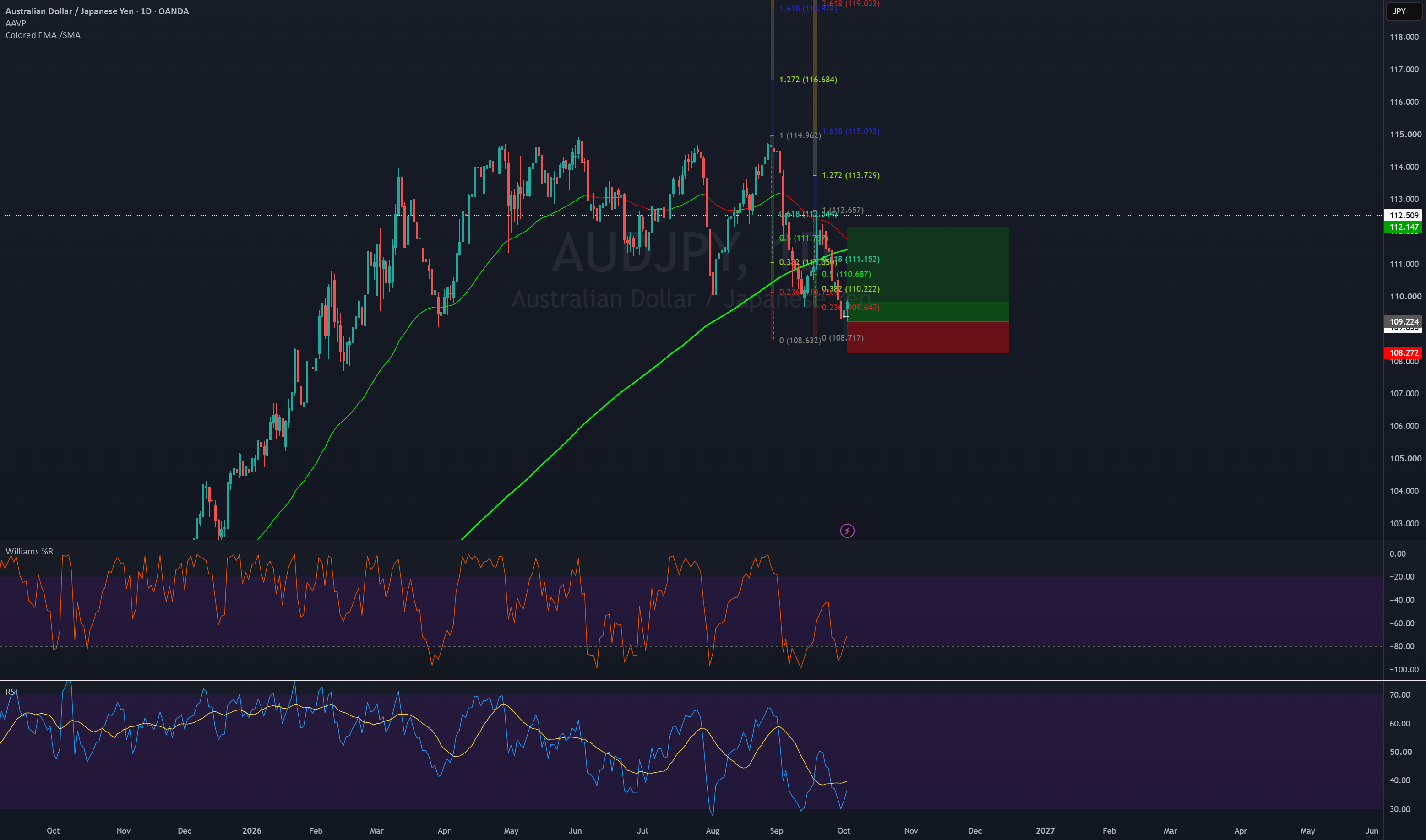
Australian dollar versus the yen
The widest rate gap in the G10: 4.60% in Australia against about 1.25% in Japan, roughly 3.3 percentage points. Yen weakness has supported the Nikkei breakout and risk appetite.
It works best on a neutral or moderately strong jobs report and calm equities.
The US dollar report came in soft.
Nonfarm payrolls: 29 thousand versus a forecast of 90 thousand and 133 thousand the month before. That is the main miss.
Unemployment: 4.2% versus a forecast and prior reading of 4.1%. Higher, though not a collapse.
Average hourly earnings: 0.1% month-on-month versus a 0.3% forecast and 0.3% previously; 3.0% year-on-year versus 3.2% and 3.1%. Wages are not accelerating.
Labor-force participation: 61.8% versus 61.6%. Slightly more people are in the labor market, and that accounts for part of the rise in unemployment, not only layoffs.
Broader unemployment, U-6: 7.6% versus 7.7%.
For the market this is a weak report, not a “hot” one. Jobs came in at about a third of the forecast, unemployment is a step higher, and wage growth slowed. That mix lowers, rather than raises, the chance that the Federal Reserve hikes on October 28. Yields and the dollar lose support on that logic.
Risks: real yen buying by Japan’s Ministry of Finance around 160, a hot Tokyo CPI print that puts Bank of Japan hikes back on the table, or an equity selloff. The next meeting is October 29–30.
Carry — the income from the rate differential — can give back several weeks in a single session.
I am looking at buys from current levels into mid-October.