
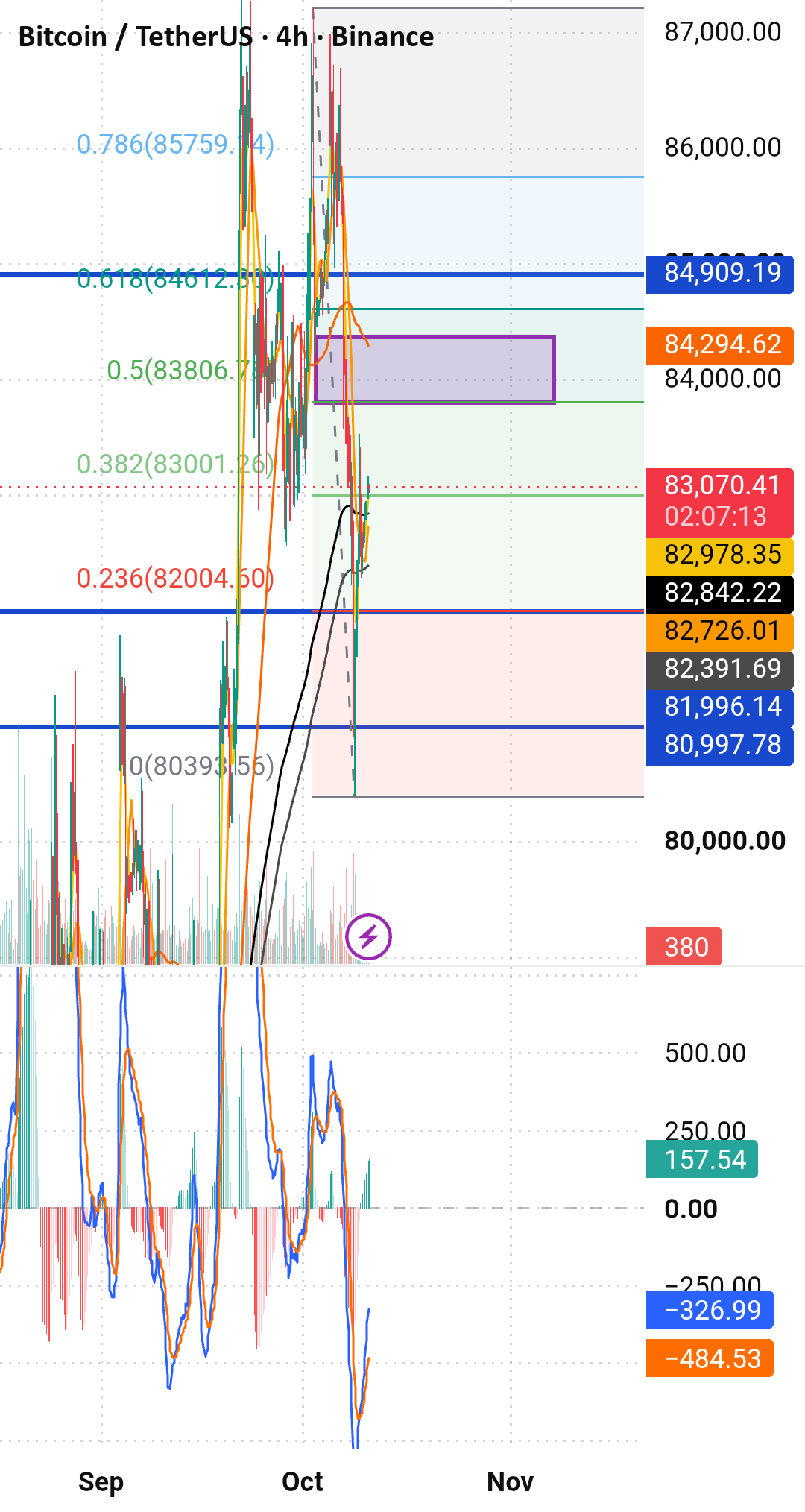
BTC just recorded its largest single-day spot ETF net outflow in nearly three and a half months. And honestly, this is a pretty important shift in market structure.
We’re seeing the classic “price down + ETF outflows”negative feedback loop. This is no longer the divergence we saw earlier, when BTC was falling while ETFs continued to quietly accumulate.
A common misconception is that as long as ETFs keep buying, BTC prices will hold up. But institutional capital isn’t unlimited. Once redemptions start piling up, ETF flows can become a persistent source of selling pressure in the spot market. Redemptions can require funds to sell BTC to raise the cash needed to meet them.
Here are the four key factors behind this move.
1. Stop-Losses and Risk Controls Kicking In
Institutional investors often have defined cost bases and risk limits. When BTC keeps sliding and breaks below key cost-basis levels, some allocation funds may be forced to cut exposure.
It doesn’t necessarily mean they’ve turned bearish on BTC long term. Sometimes it’s simply portfolio risk management, stop-losses, or rebalancing.
During a choppy market, these funds may be willing to sit tight. But once key levels break, redemptions can quickly pile up and produce an unusually large daily outflow.
2. Capital Rotation Is Stealing the Spotlight
Meanwhile, US AI stocks have continued to attract capital and deliver strong returns.
For traditional institutions, it’s a matter of opportunity cost. If AI-related stocks are offering better momentum, some capital may rotate out of high-volatility crypto assets and into those names.
BTC also lacks a strong, immediate bullish catalyst right now, such as a major regulatory breakthrough or significant corporate buying. Without a compelling reason to add exposure, crypto may lose out when institutions decide where to put their money.
3. Macro Expectations Are Adding Pressure
Markets are repricing the Fed’s rate-cut path. If rate cuts get pushed further out and the market starts pricing in “higher for longer,” that’s another headwind for BTC.
Bitcoin is highly sensitive to liquidity conditions and risk appetite. When interest rates stay elevated, institutions may become less willing to hold volatile assets.
In short, tighter financial conditions can make it harder for BTC to attract fresh capital.
4. Derivatives Leverage Can Amplify the Sell-Off
This is where things can get ugly.
ETF outflows may add spot selling pressure. If BTC drops sharply, overleveraged longs can get liquidated. Those forced liquidations generate even more selling pressure, pushing prices lower and triggering further stop-losses and panic selling.
The feedback loop looks something like this:
ETF redemptions → spot selling → BTC price drops → long liquidations → panic selling → even more downside pressure.
It’s a vicious cycle, and leverage can make the move much more aggressive than spot flows alone would suggest.
One Important Distinction: A Single-Day Outflow Doesn’t Automatically Mean a Bear Marke
1: A one-off spike in outflows
This could simply be a large institution making a one-time portfolio adjustment. If flows return to modest inflows or outflows over the following sessions, this may turn out to be an extreme day within a broader consolidation.
2: Heavy outflows continue for days or weeks
This is the bigger red flag. If one day of heavy selling turns into persistent net outflows over a full week or two, it could indicate that longer-term institutional capital is steadily reducing exposure.
That would create a much more persistent source of selling pressure and make the bearish case harder to dismiss.
So my takeaway: Don’t call a full-blown bear market based on one ugly ETF flow report. But don’t brush it off, either. The key is whether this turns out to be a one-off flush or the start of sustained institutional selling.
One day is a warning sign. Persistent outflows are the real test.